

The most expensive line item on any event isn’t a vendor
Every live event has one number that decides everything — and it’s usually written down before the show is designed.
When the number comes first, the show follows the number instead of the idea.
On most live events, a budget gets set before the concept exists — before anyone has decided what the audience should feel walking in. Someone needs a figure to approve the project, so a figure gets produced. From that moment, the number leads and the creative follows.
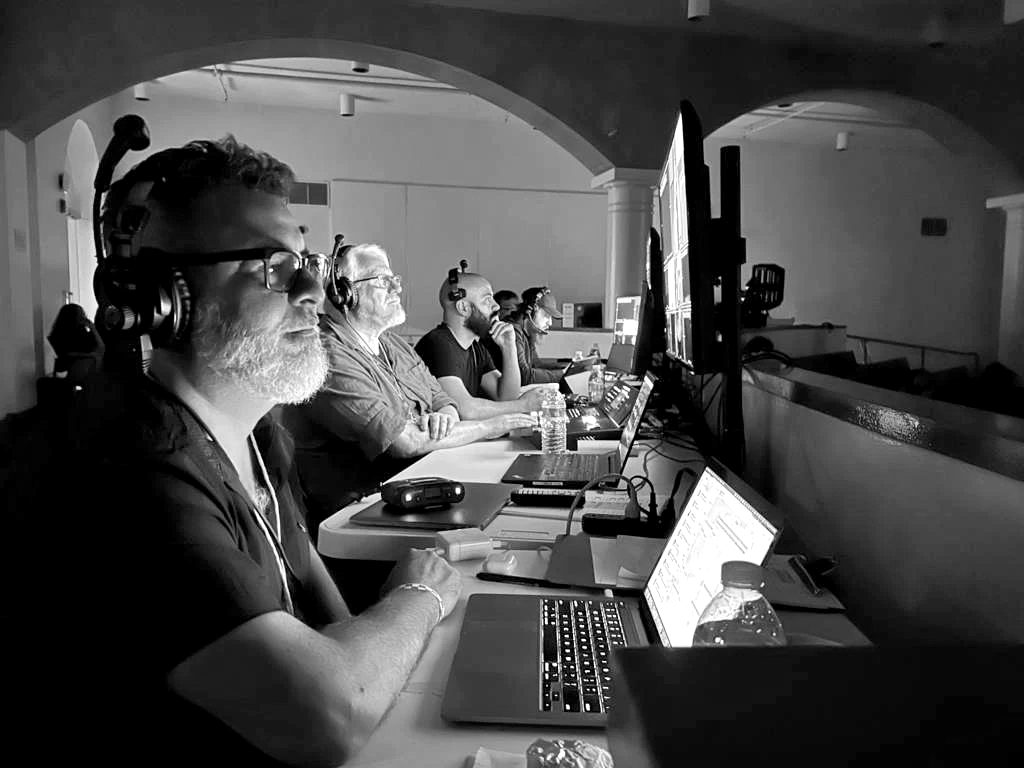
I direct live experiences — I’m not a producer — and I watch this from the one chair where it’s most visible: the director’s chair, where every decision eventually lands in real time. The problem is rarely that the budget is too small. It’s that it was decided before anyone knew what they were buying.
Why do short timelines make event budgets worse?
It gets worse under time pressure. When a timeline is short, the bidding rewards whoever puts up the lowest number — which rewards whoever is most willing to fudge it. The client, with no runway left to shop or rethink, is cornered: accept an estimate that isn’t real, or don’t have the event. They accept. But the gap between the number that won the job and what the job actually costs doesn’t vanish — it waits. It comes back as overtime, change orders, and venue fees carrying a heavy commission: the mechanisms a production leans on to recover, at the end, the margin it gave away to win the bid. That fudged line item isn’t a vendor problem. It’s a threat to the entire production budget.
When is the cheapest time to change a show?
Here’s what took me years in that chair to really see: the real expense isn’t the budget line. It’s when the decisions get made. A creative change during the concept phase costs almost nothing — a conversation and a revised sketch. The same change in production costs real money. On show day it can’t be made at all, so you pay for it in a visible mishap instead. None of those are production failures. They’re decisions that arrived too late to be cheap. And there’s a quieter cost underneath all of it that has to do with time — I’ll come back to that.
How do you build a budget you can trust?
The fix isn’t a bigger budget. It’s a different order of operations. Creative and content come first and dictate the production, not the other way around. Decide what the experience is, what it needs to do, and what it honestly costs — then build the production to serve that. When the creative architecture is settled before vendors are chosen, the scope is true. And a true scope is the only thing that produces a budget you can trust instead of one that surprises everyone when it’s all tallied at the end.
That’s the whole case for bringing creative direction in early, before the production number is locked. Not as a luxury line — as the thing that makes the other numbers real. Spending a little time and money upstream is how you find the honest cost, which is almost always less than the cost of fixing the show on the way out the door.
What should you ask before “what’s the budget?”
So the most useful question at the start isn’t “what’s the budget?” It’s “what are we trying to make, and what does that honestly cost?” Ask them in that order, and the number stops being a ceiling you hit and starts being a plan that holds.
There’s one variable behind almost every budget surprise I’ve watched: when you start. That’s the next thing I want to write about.
Further reading
The dynamics described here are well documented across live events and construction:
- Patrick MacLeamy, the “MacLeamy Curve” — why the cost of changing a design rises the later it’s made (DesignIntelligence)
- “The High Cost of Low Bids” (Levelset)
- “Beware the Low Bid” — how underbidding is recovered through change orders (Partner ESI)
- Hidden costs in vague event RFPs (MPI, Meeting Professionals International)